The first time I pulled a return grille in a newly remodeled office tower, a snowdrift of drywall dust spilled onto the floor. The maintenance manager stared, mortified, because his lease-up campaign launched the next morning. Everyone had assumed the filters would catch it. Filters do a lot, but they do not vacuum construction dust out of supply trunks, nor do they scrub a decade of lint out of low-velocity returns that double as building-wide lint traps. That job belongs to commercial duct cleaning, and when it is planned and executed with intent, it becomes a quiet ally in meeting indoor air quality, or IAQ, standards.
IAQ rules do not exist to make facilities teams miserable. They exist because air carries what people breathe, and people notice fast when it is wrong. Odors, respiratory irritation, particulate haze, a faint tingle in the throat after lunch, these cues mount into complaints, then into risk. Codes and standards give us guardrails. Good cleaning gives us grip.
Which IAQ standards matter, and what they actually ask for
Commercial buildings live under a web of guidance that overlaps more than it conflicts. The most common touchpoints in North America include:
- ASHRAE 62.1 for ventilation in commercial buildings. It focuses on minimum outdoor air, filtration targets, contaminant control, and the design and maintenance of air distribution systems. Clean ducts are not an explicit numeric requirement, but distribution systems must not degrade air quality, and they must be maintainable. If your ducts are full of debris or microbially active, you are skating outside the intent of 62.1. ASHRAE 55 for thermal comfort. Not strictly IAQ, yet comfort and IAQ ride in the same elevator. Fouled ducts can alter flow, temperature, and humidity delivery. If a zone drifts out of comfort because supply runs are constricted, complaints start to blur between comfort and IAQ. OSHA’s general duty clause and guidance on indoor air quality. OSHA will not hand you a duct cleaning schedule, but they will care if poor air becomes a recognized hazard, especially if particulates, mold amplification, or chemical residues are involved. Green building frameworks such as WELL and LEED. These programs often require documented IAQ strategies, periodic testing, and filtration targets. WELL, for instance, includes performance-based particulate and microbiological thresholds. LEED has credits tied to enhanced IAQ strategies and baseline testing. Dusty ducts do not help when you are sampling PM2.5 in an open office. State and local codes can harden pieces of the above into enforceable requirements. Hospitals, labs, and food manufacturing add their own, stricter overlays.
If you strip the jargon, the standards want air that is sufficiently diluted with outdoor air, filtered to a target level, free from contamination sources, and delivered predictably to occupants. Ducts are not a side note. They are the conveyor belt.
Where ducts quietly sabotage IAQ
Ductwork, especially on the return side, acts like a memory foam mattress for buildings. Whatever has floated through for years leaves a trace. Common culprits include gypsum dust from renovations, textile fibers from carpet and upholstery, pollen and soot tracked in during a wildfire season, and, in the right humidity band, microbial growth.
When a system cycles, that reservoir gets disturbed. The first 30 minutes after startup, flows often spike, and velocity shears material off the lining or the floor of rectangular duct. That puff finds the diffuser. If you have shiny desks and critical executives, they will see it before you do.
Insulated duct liner adds another twist. Internal liners are great for acoustics, yet they can trap and hold dust. If the liner got wet during a humid night or from a leaky humidifier pan upstream, it can support microbial amplification. No one enjoys explaining to HR that the vague musty odor is likely coming from the return path above their heads.
Finally, restrictive buildup changes pressure profiles. A quarter inch of lint and dust in a low-velocity return will not read like a blocked filter, but across thousands of square feet, it adds drag. Fans run harder to meet setpoints. Zones starve. You see it as imbalanced rooms and a rise in energy use per cfm.
How commercial duct cleaning fits the compliance puzzle
Commercial duct cleaning does not replace filtration upgrades or proper ventilation rates. It supports them. Here is what improves when ducts are clean and dry:
- Particulate counts drop faster after source events. A renovated floor that used to take two weeks of complaints clears in days when accumulated construction dust is not getting re-entrained. Odor complaints decline. Microbial odors are notoriously hard to track. Removing organic buildup from coils, drain pans, and adjacent duct sections often resolves the issue before anyone reaches for perfume diffusers. Filtration performs as intended. A filter can only catch what reaches it upstream. If return leaks pull air from dirty interstitial spaces, your MERV 13 filters bravely protect the mechanical room while occupant air bypasses through unfiltered pathways. Supply air volumes stabilize. Less debris equals better flow at design velocity, which means VAV boxes modulate predictably. That makes it easier to meet ventilation targets per ASHRAE 62.1 without overventilating to compensate for unknown losses. Documentation gets stronger. Programs such as WELL and LEED reward verified maintenance practices. A well-documented cleaning, with before and after evidence and a statement of method aligned with a recognized standard, answers questions during performance testing.
What “good” commercial duct cleaning looks like up close
There is a difference between someone waving a shop vac at a grille and a procedure that helps you meet IAQ goals. A competent firm will follow the spirit of NADCA’s ACR Standard, which is the de facto industry reference for HVAC cleanliness, even when a building does not require NADCA certification. The setup is as important as the scrubbing.
Here is the sequence that delivers results without making a mess of your schedule:
Assessment and access planning. The team reviews drawings, inspects key trunks and plenums with cameras, and identifies access points, sensitive spaces, and downstream equipment. They map return and supply paths zone by zone, choose methods for lined versus unlined duct, and write a plan that covers isolation and pressure control. If you skip this step, you end up cutting access holes in the wrong places or chasing debris into tenant spaces.
Isolation and negative pressure. Sections are isolated with temporary barriers, and negative air machines with HEPA filtration are attached to the duct runs. This prevents loosened particulate from entering occupied zones. Airflow direction gets planned so debris moves toward the collection point, not toward shiny new furniture.
Mechanical agitation and source removal. Rotary brushes, compressed air whips, or hand tools, chosen based on duct material and condition, dislodge debris. The key is source removal, not chemical cover-ups. For internally lined duct, softer agitation preserves the liner. For bare sheet metal, rotary brushing is common. The loosened debris heads toward the negative air machine’s collection container.
Component cleaning and condensate hygiene. Coils, drain pans, fan housings, and reheat coils adjacent to the cleaned runs are serviced. This often matters more for IAQ than the straight duct sections. A plugged condensate line can undo every bit of cleaning with one weekend’s worth of stagnant water.
Verification and closeout. A visual inspection under proper lighting, spot checks inside representative sections, and photo documentation confirm cleanliness. Access panels get sealed airtight, and the area returns to service without alarms screaming at midnight.
That is the field side. The paperwork side matters too. A good report lists methods, equipment, sections cleaned, and observations such as damaged liner or unsealed joints that could influence IAQ later.
A note on chemicals and sealants
There is a time and place for antimicrobial coatings or sealants, yet they should not be the first tool out of the bag. If a duct is wet or lined with biofilm, you must fix the moisture source and physically remove contamination. Spraying a coating over wet liner traps a problem you will smell again in a week.
Sealants that lock down friable fiberglass can help when liner ages and starts shedding, provided the surface is clean and dry and the product is appropriate for airside use at the temperatures involved. Keep a skeptical eye on miracle products. Ask for data, not just a glossy label.
Verification that satisfies auditors and skeptics
Different programs tolerate different types of proof. In practice, three approaches play well with clients and third parties:
- Visual documentation. Before and after photos from the same vantage under good light seem basic, but they carry weight. An auditor can tell if you cleaned a supply trunk or just the diffuser neck. Measured dust loading or surface comparison tests. Some firms use standardized methods to quantify residual dust on representative surfaces. While methodologies vary, the goal is objective evidence that surfaces meet predetermined cleanliness criteria. If you do not have a spec up front, you cannot prove you met it. Set one. IAQ trending. This is not a forensic test of ducts, yet if you trend PM2.5 and PM10 at the zone level before and after cleaning, preferably under similar occupancy and weather, you can show ambient particulates stabilizing more quickly after daily peaks. Pair that with CO2 and supply airflow data from the BMS, and you have a story your leadership understands.
For regulated spaces, bring in a third party to witness or sample. That extra set of eyes pays off when a tenant’s counsel shows up with a particle counter and a grim expression.
When cleaning is the wrong prescription
It takes judgment to know when not to clean. Three scenarios raise red flags:
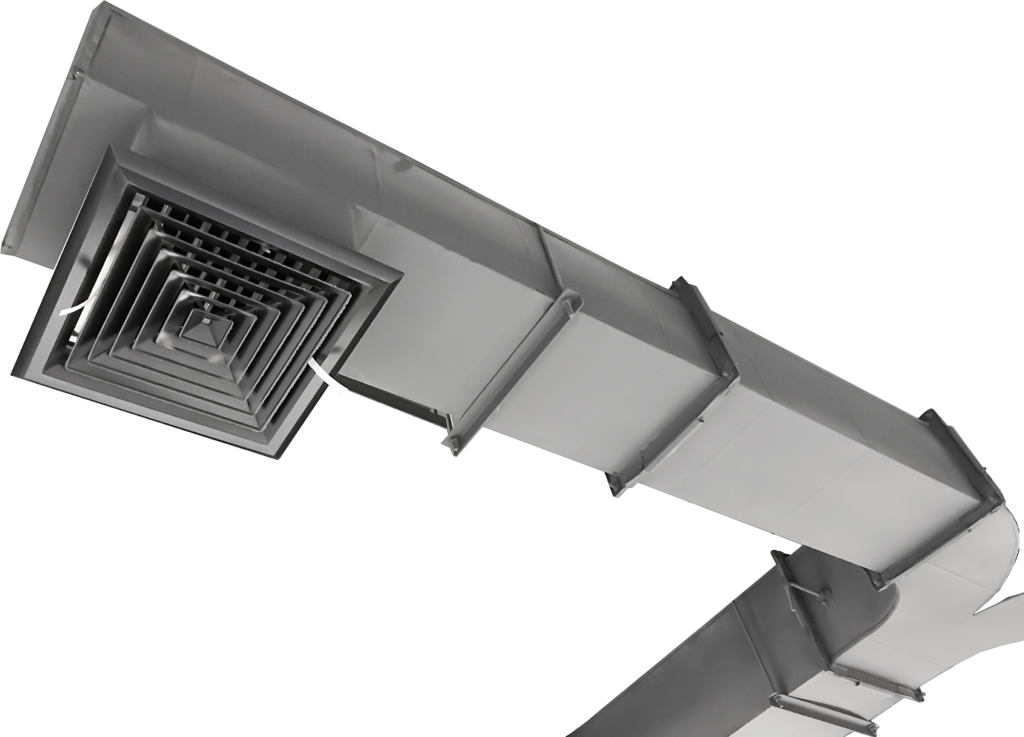
- Duct leakage is the root problem. If you have unsealed joints in a return plenum pulling from a gritty interstitial space, cleaning the inside of the duct becomes a short-lived victory. Seal first. Routine testing often finds leakage in the 10 to 20 percent range in older buildings. That is a lot of dirty bypass for any filter to chase. Lined duct is degraded. If fiberglass liner is delaminating or friable throughout long runs, aggressive brushing can make it worse. You may need to replace sections or apply a tested sealant after careful prep. Cleaning alone will not rescue failing liner. Moisture source is active. If coils sweat constantly from inadequate face velocity control, or if a humidifier saturates a section of duct, postpone cleaning until you correct controls and drainage. Otherwise, you will feed the same microbial loop and waste budget.
How often to schedule commercial duct cleaning
There is no universal calendar. Frequency should be set by condition, use case, and events. In practice, most offices that are not under special cleanliness programs land on multi year cycles, with targeted runs cleaned more often after disruptions.
Watch for these triggers:
- Renovation or tenant turnover that generated dust, especially if return paths were shared during work. A cluster of particulate or odor complaints tied to startup cycles or specific zones. Visible debris at supply diffusers, or dust bands forming on ceiling around grilles. Evidence of moisture in or near duct sections, including rust stains or musty odor at returns. Seasonal smoke events that elevated PM levels for days and overwhelmed filtration.
If you operate healthcare, food production, or clean manufacturing, your playbook will be stricter. Many of those facilities include duct and AHU interior cleanliness in their validated maintenance programs with defined intervals and acceptance criteria.
Method matters: negative pressure, agitation, and containment
Without getting lost in the alphabet soup, two principles keep you compliant and out of trouble.
First, keep everything under negative pressure. The goal is preventing liberated dust from becoming an IAQ event of its own. That means HEPA filtered collection sized for the run, sectioning with temporary foam or inflatable bladders where needed, and an airflow path that never vents into occupied zones.
Second, match agitation to materials. Bare metal tolerates rotary brushes and high-pressure air whips. Internally lined duct wants gentler, contact-only techniques. Think of the liner like carpet on a stairwell that has aged. Scrub it too hard and it pills or frays, then you spend next quarter vacuuming dots out of conference rooms.
Containment extends to logistics. Night or weekend work helps, yet I have cleaned call centers successfully at noon. The trick is zone by zone sequencing, airtight barriers, and honesty about noise. Negative air machines hum. If your CEO records podcasts across the hall, pick your window carefully.
Energy and controls, the quiet dividend
The IAQ conversation often stops at health and complaints. Energy and control stability deserve equal attention. When you remove a layer of dust from returns and wipe coils that had grown felt jackets, you reduce fan energy and restore heat transfer. Do not expect miracles, yet 5 to 15 percent reductions in fan power for an AHU with badly fouled returns and coils are not rare. You also save hours of labor chasing phantom VAV issues that were, in truth, low supply velocity caused by restricted branches.
There is a measurement trap here. If you clean ducts and then also balance the system and reset static pressure, you will not know which action delivered what slice of the savings. If you care about attribution, log fan kW and static pressure before any changes, then isolate variables.
Costs, downtime, and what a smart scope looks like
Price is famously slippery because duct networks vary like fingerprints. Expect ranges rather than absolutes. Office projects commonly fall somewhere between a few thousand dollars for targeted cleaning of a small AHU and its immediate runs, and mid five figures for multi floor, multi AHU scopes. Cost drivers include:
- Access complexity. Drywall ceilings, historic finishes, and lack of access panels slow everything down. System size and condition. Bigger and dirtier costs more. A return with an inch of drywall dust from a recent build out takes vastly longer than a lightly used run in a law firm. Occupancy constraints. Night and weekend premiums exist for a reason. If the crew must tear down and re set barriers between shifts, hours climb.
Build your scope with the same clarity you demand from your test and balance contractor. Name the AHUs, describe which trunks and branches are in, specify whether terminal units get opened and cleaned, and define documentation requirements. If you want a cleanliness verification protocol beyond visuals, state it. Otherwise, you invite creative interpretations of “clean.”
Tie-in tasks that amplify the benefit
Duct cleaning rarely stands alone in a responsible IAQ plan. The gains compound when you coordinate with adjacent work.
Cleaning coils and drain pans while the duct crew is in place is almost mandatory. That is the wet zone Go to the website where biological growth starts. Replace filters after the work, not before. If your filters are shedding fibers into the clean duct, you bought the wrong media. While you are at it, review MERV ratings against fan and static pressure limits. Chasing MERV 15 on a fan sized for MERV 8 is a recipe for noise and complaints.
Check economizer and outdoor air dampers. There is no point in polishing ducts if your OA damper is frozen shut and your building lives on recirculated air. If you use demand controlled ventilation with CO2 sensors, audit the sensors. A sensor that reads low by 200 ppm will sabotage your compliance math quietly for years.
Duct sealing is the other big one. A smoke pencil and a roll of mastic can save your filters from cleaning the space above the ceiling forever. Leakage that seems minor on a single seam becomes huge across miles of joints.
A story from the field
We inherited a downtown office tower that had just gone through a celebrity tenant build out. The mechanical contractor upgraded filters and checked the AHUs, then handed over the keys. Day two of occupancy, the tenant logs 23 IAQ tickets before lunch. Their facilities lead, who had been burned before, asked for particulate trending by zone. PM2.5 was spiking by 250 to 400 percent above morning baselines in two open office bays right after morning startup.
We pulled a ceiling tile at a return and found a felted layer of gypsum dust. The return was open into a plenum where the contractor had cut, sanded, and painted for weeks. The AHU filters looked clean because the dust bypassed them through a shared return plenum for that floor only. We isolated the return trunks for the affected zones, set up negative pressure, and cleaned two nights in a row, including liner friendly agitation and a gentle coil cleaning in the matching AHU. We resealed three obvious return leaks with mastic while barriers were up.
On day five, with similar occupancy, the same PM2.5 trend peaked at 20 to 40 percent above baseline right after startup, then decayed to background within 30 minutes. Complaints dropped to two minor notes about temperature. The tenant kept their move-in party. The celebrity never learned the phrase gypsum silt.
What to ask a vendor before you sign
Facility managers do not need to become duct cleaning experts, but a few questions separate professionals from freeloaders.
- Which standard do you follow, and how will you verify cleanliness? Experienced firms will reference the NADCA ACR Standard for methods and will offer visual and, if required, quantitative verification. If the answer is “we wipe and spray,” keep looking. How will you protect occupied spaces during cleaning? Listen for negative pressure, containment, and HEPA filtration, not just drop cloths. What is your plan for internally lined duct and sensitive components? You want tailored agitation and a plan for damaged or shedding liner. What documentation will I receive? Expect a narrative report, a map of cleaned sections, photo sets, and notes on any repairs needed. How will you coordinate with our operations team? Cleaning that trips smoke detectors at 2 a.m. Or leaves BMS alarms unresolved creates new problems. Pros coordinate lockouts, fire watch if necessary, and alarm bypass windows with your team.
That short list will save you months of annoyance and a few gray hairs.
The practical playbook, from assessment to steady air
Start with a walk. Open a handful of returns and one supply trunk near each AHU. If the first view shows obvious debris, multiply by what you cannot see. Tie your findings back to your IAQ metrics and complaint logs, then scope a cleaning that targets the worst sections first. Do not forget coils and drains. Bring your filtration and outdoor air control strategy into line with your building’s actual fan capabilities. Seal the leaks you find while barriers are up.
Plan the work like a surgical procedure. Isolate, keep it under negative pressure, agitate with judgment, remove at the source, and verify. Document more than you think you need. It helps during a WELL performance verification and during that Friday afternoon call from a skeptical tenant.
Finally, set triggers rather than a blind calendar. After dusty events, after smoke season, after a spike in start-up particulate complaints, clean. In calmer years, inspect. You will spend less when your duct system is not treated as a mysterious void and more as a visible part of the IAQ chain.
Commercial duct cleaning, done right, does not just make metal shiny. It restores the air distribution system to the role it was designed for, carrying clean, conditioned air with predictable flow. Standards are easier to meet when the conveyor belt is not dragging a tail of last year’s dust. And the next time you pop a grille, it will be out of curiosity, not dread.